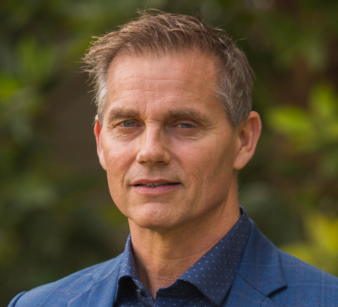
I grew up in Birmingham, MI. I am the youngest of eight children and attended an all-boys catholic school my whole life until I went to college at the University of Michigan. I went to night school at Detroit College of Law. My dad, my uncle, two of my brothers, and sister were lawyers. My first job was cutting lawns at age 10. I started working for my brother as a house painter at age 12. When I was 16 I started my own painting business and continued throughout high school, college, and law school, and a few years after until I was 32. I practiced criminal defense for eighteen years in Michigan until ten years ago when my roommate from the Trial Lawyers College, Nick Rowley, encouraged me to move to LA to become a PI lawyer. The California Bar took me four tries. I moved to Las Vegas this past March. I have recently taken up pickle ball, skiing and golf. I also think I'm competitive at connect four, backgammon, chess, and ping pong.

Performance Skills Bootcamp
jul 10 - 15, 2026 /
jul 10 - 15, 2026
About the bootcamp
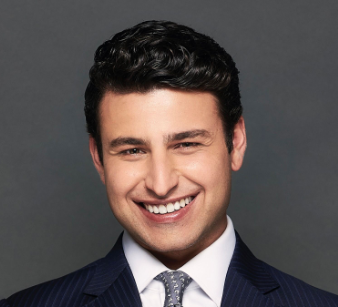
TLU Trial Skills Bootcamp is a five-day, intensive performance training designed to elevate how you show up in the courtroom. Working in small, six-person groups with video feedback, you will break persuasion down into trainable micro skills—eye contact, voice control, movement, emotional presence, and word choice—and practice them until they become instinctive. Led by Dan Ambrose and Giorgio Panagos, this bootcamp focuses entirely on delivery and juror connection. Through hands-on drills in cross-examination and opening statements using a standardized case, you will build the core performance skills and learn how to turn facts into a compelling, lived experience for the jury. Then, over the final two days, you will apply those same techniques directly to your own case.
Student Prerequisites
To get the most out of this training, come prepared to work on a real case. Bring a case you are currently handling or preparing for, along with a drafted opening statement that you’re ready to perform and refine. You’ll be actively applying what you learn to your own material, so the more developed your case and opening are, the more precise and impactful your coaching will be throughout the week.
What You'll Learn
Trial performance is what jurors actually experience. This training is designed to help you form genuine connections, increase credibility, and elevate how your case is received—regardless of the subject matter.
Eye Contact & Micro-Connecting
Build trust one juror at a time. Learn how to engage individuals within the group, creating moments where each juror feels directly seen, considered, and included in the conversation.
Voice Control & Cadence
Train how to use pacing, pausing, and tone to control the rhythm of your presentation. Slow the room down when something matters. Let key moments breathe so jurors have time to absorb, process, and feel the weight of what’s being said.
Facial Expression & Emotional Congruence
Align your facial expressions with the substance of your message. Whether you’re addressing harm, responsibility, or difficult human moments, your expression reinforces authenticity and helps jurors trust what they’re seeing and hearing.
Hand Gesticulation & Movement
Develop controlled, intentional gestures that support your words. Movement becomes a tool to clarify structure, emphasize contrast, and give shape to ideas that might otherwise feel abstract.
Glance Control
Direct attention with precision. Learn how to shift your gaze to signal importance, bring focus to a specific idea, or draw the jury into a moment without needing to say it out loud.
Creating Space
Use the physical space around you to organize your case. Assign meaning to positions in the room so jurors can track people, events, and transitions more clearly. Space becomes a visual anchor that supports memory and understanding.
Word Selection
Choose language that invites jurors in. Replace legal phrasing with clear, everyday words. Use “we,” “us,” and “our” to create shared perspective, and incorporate imagery so concepts can be felt—not just understood.
Economy of Words
Say only what needs to be said. Clean, precise phrasing keeps your message sharp, limits opportunities for distraction, and ensures jurors stay focused on what actually matters.
Listening
Make listening visible. Show the jury you are present, absorbing, and in control. Strong listening builds credibility and allows you to respond with intention rather than reaction.
How You'll Train
This is a live performance lab. You will be on your feet presenting, be coached, challenged, and your trial presentation skills will be refined in real time.
We begin with a shared foundation. You’ll work from an exemplar trucking case, watching and performing the same cross-examination and opening statement. This allows you to see patterns clearly, recognize what works, and understand how these performance skills apply across any case type. Starting here creates faster, more visible breakthroughs.
Step 1 — Opening Statement Performance Training
Deliver an opening from the same case and receive direct coaching on connection, clarity, and emotional alignment. Every adjustment is immediate and actionable.
Step 2 — Voir Dire Practice
Train how to connect with jurors from the first moment. You’ll practice identifying bias, discussing sensitive issues, and building trust through real conversation rather than scripted questions.
Step 3 — Expert Cross-Examination Practice
Work the exemplar case and learn how to control witnesses through presence, pacing, and precision. You’ll keep the jury engaged while maintaining command.
Step 4 — Direct Examination & Witness Prep Practice
Learn how to prepare witnesses to communicate clearly, truthfully, and with emotional impact. You’ll practice guiding testimony that feels natural while reinforcing key themes the jury needs to understand and remember.
Step 5 — Apply It to Your Own Case
Once the core skills are in place, you’ll transition into your own material. You’ll perform your opening, cross, voir dire, and direct while integrating the techniques you’ve trained, refining them in real time until they feel natural, controlled, and repeatable.
Your Instructors
Dan Ambrose
Trial Lawyers UniversityGiorgio Panagos
Ulysses LawI was born and raised in the San Francisco Bay Area to an Armenian mother and Greek father. I attended Berkeley High School, University of California, Riverside and Golden Gate University, School of Law. While in law school, I worked at my father’s chocolate shop in Palo Alto giving tasting tours and teaching customers about the history and production of the world’s finest cacao. After passing the CA bar in 2019, I moved to Los Angeles to practice personal injury law. Shortly after founding my own firm in 2021, I cofounded Lawzilla.co, a case referral marketplace where attorneys can find cases to grow their practices and refer cases they would otherwise drop. In addition to running my startup, I work closely with Trial Lawyers University, coaching attorneys on trial presentation skills. I speak fluent Greek and enjoy traveling, reading, spending time with family and playing piano.