Cross Examination
Cross Examination
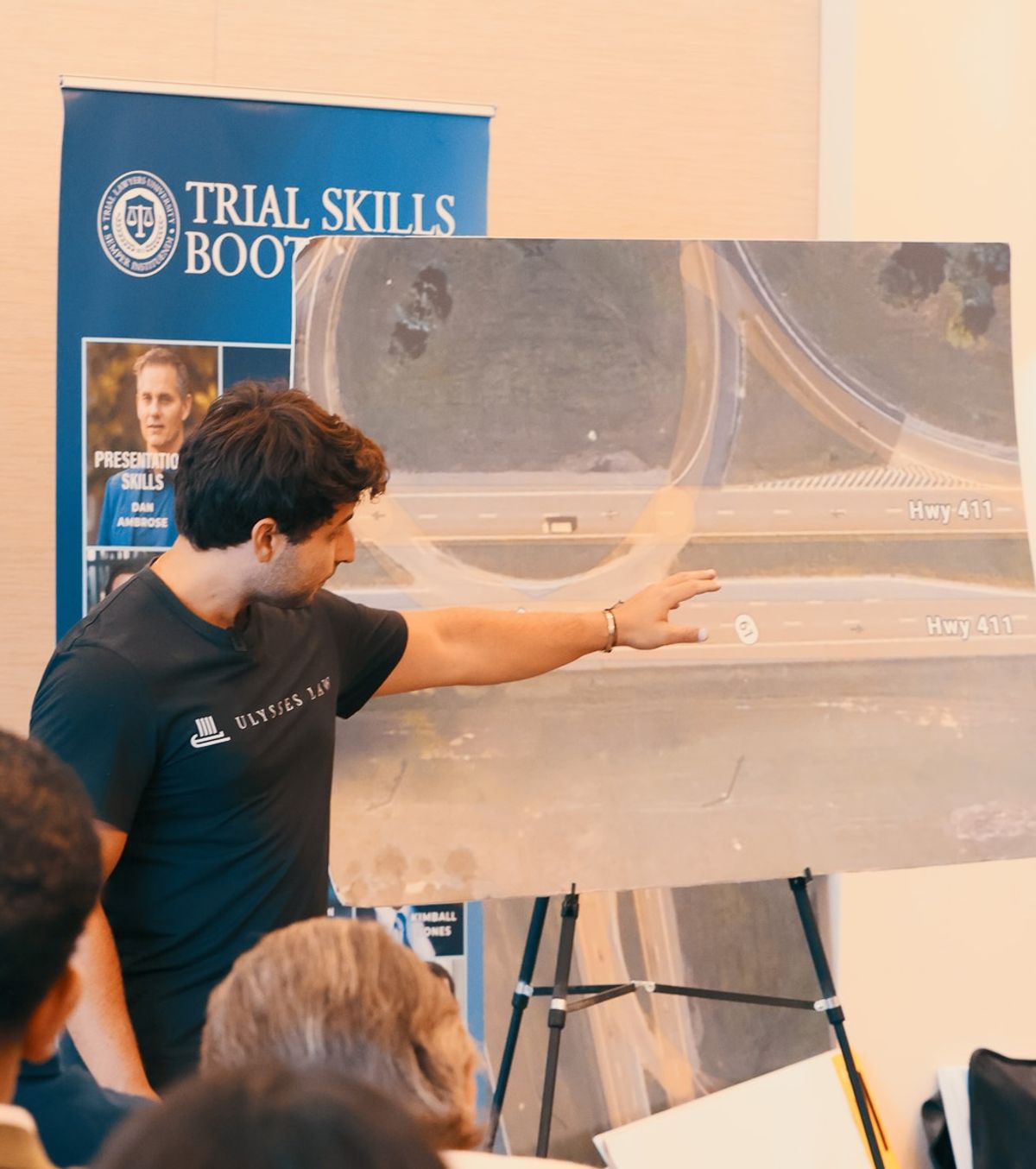
When cross-examination works, the jury feels it. They feel the control. They feel the clarity. They feel when a witness no longer has room to move. This 2-day program is built to help you create that experience. You won't just learn what to ask — you'll train how to deliver cross in a way that holds attention, builds tension, and leads the jury exactly where you want them to go. This is where your cross becomes clean, intentional, and unmistakable.
Steady. Deliberate. Inevitable.
Great cross-examination doesn't look rushed or reactive. It feels steady, deliberate, and inevitable.
Creating Controlled Moments
Break cross into clear, contained moments where each question stands on its own and builds toward a larger point.
Using Pause to Create Impact
Silence becomes part of your question. Train how to pause in a way that makes jurors lean in and anticipate the answer.
Guiding the Witness Without Force
Control doesn't come from arguing. It comes from structure, tone, and clarity. Lead the witness without escalating.
Making Questions Land Visually
Your delivery should be seen, not just heard. Train how physical presence and positioning reinforce the meaning of your questions.
Clean Transitions & Attention Control
Reset the room and guide attention at key moments so the jury never drifts and always knows where to focus.
Building Toward an Inevitable Conclusion
Each question should feel like a step forward. Build sequences that make your final point feel unavoidable.
Eliminating Noise
Remove extra words, extra movement, and extra effort. What remains is a cross that is clear, focused, and powerful.
You won't be watching. You'll be doing it.
Training is structured around short performances, immediate feedback, and repetition. You'll run the same segments multiple times, making small adjustments that compound into noticeable control.
Foundational Cross Segments
Work through core portions of cross to establish rhythm, clarity, and control.
Real-Time Coaching & Adjustment
Receive direct, specific feedback on your delivery, then immediately apply it. Every correction is reinforced through repetition.
Full Cross Execution
Bring everything together into complete cross-examination sequences that feel smooth, intentional, and controlled from start to finish.
By the end, your cross won't feel rushed or uncertain. It will feel steady, deliberate, and in command of the room.
In the room with you.
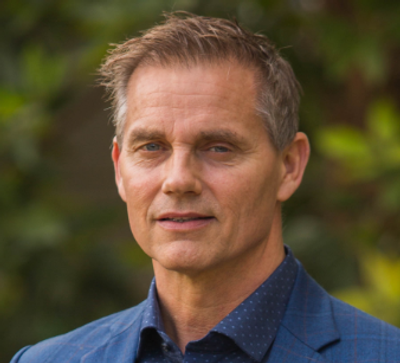
I grew up in Birmingham, MI. I am the youngest of eight children and attended an all-boys catholic school my whole life until I went to college at the University of Michigan. I went to night school at Detroit College of Law. My dad, my uncle, two of my brothers, and sister were lawyers. My first job was cutting lawns at age 10. I started working for my brother as a house painter at age 12. When I was 16 I started my own painting business and continued throughout high school, college, and law school, and a few years after until I was 32. I practiced law for eighteen years in Michigan until ten years ago when my roommate from the Trial Lawyers College, Nick Rowley, encouraged me to move to LA to become a PI lawyer. The California Bar took me four tries. I moved to Las Vegas this past March. I have recently taken up pickle ball, skiing and golf. I also think I'm competitive at connect four, backgammon, chess, and ping pong.
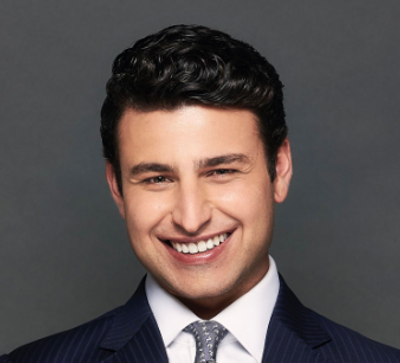
I was born and raised in the San Francisco Bay Area to an Armenian mother and Greek father. I attended Berkeley High School, University of California, Riverside and Golden Gate University, School of Law. While in law school, I worked at my father's chocolate shop in Palo Alto giving tasting tours and teaching customers about the history and production of the world's finest cacao. After passing the CA bar in 2019, I moved to Los Angeles to practice personal injury law. Shortly after founding my own firm in 2021, I cofounded Lawzilla.co, a case referral marketplace where attorneys can find cases to grow their practices and refer cases they would otherwise drop. In addition to running my startup, I work closely with Trial Lawyers University, coaching attorneys on trial presentation skills. I speak fluent Greek and enjoy traveling, reading, spending time with family and playing piano.
More 2026 bootcamps.
Sep 24–25 · Hermosa Beach.
2 days of intensive, small-group training — seats are limited and fill fast.